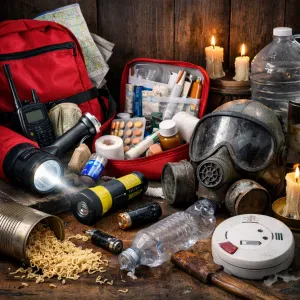
How to Build a Simple Emergency Plan for Your Household
Having a basic emergency plan helps households respond calmly and efficiently during unexpected situations. While emergencies can vary widely, a simple plan provides clarity and direction when quick decisions are needed.
This guide explains how to create a straightforward emergency plan that can be adapted to different situations and household needs.
Why an Emergency Plan Is Important
During emergencies, stress and uncertainty can make communication and coordination difficult. A basic plan helps ensure everyone knows what to do, where to go, and how to stay in contact.
Emergency planning is about preparation, not predicting specific events.
Identify Common Risks
Start by identifying the types of emergencies most likely to affect your area. These may include severe weather, power outages, flooding, or temporary evacuations.
Understanding local risks helps guide planning priorities.
Establish Communication Methods
Decide how household members will communicate if separated. This may include phone calls, text messages, or designated contact persons outside the immediate area.
Having multiple communication options improves reliability.
Plan Meeting Locations
Choose one or more meeting locations where household members can regroup if needed. Locations should be familiar, accessible, and safe.
Clear meeting plans reduce confusion during disruptions.
Prepare Essential Information
Keep important information accessible, such as emergency contacts, medical details, and basic instructions. This information may be useful during stressful situations.
Review and Practice Periodically
Emergency plans should be reviewed occasionally and updated as household circumstances change. Practicing basic steps helps reinforce readiness.
Final Thoughts
A simple emergency plan supports safety, coordination, and peace of mind. By taking time to plan ahead, households can respond more confidently when unexpected situations arise.